Sleep and IBS: How to manage the vicious cycle and rest better
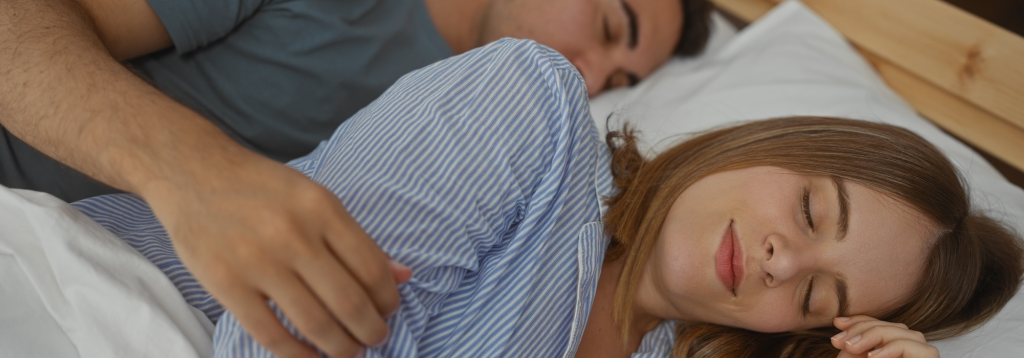
Poor sleep can worsen IBS symptoms and flare-ups can make sleep harder. Explore the evidence linking sleep and IBS and learn sleep hygiene tips for the condition to help break the cycle.
The gut-brain connection and IBS: How to calm your gut-brain-axis
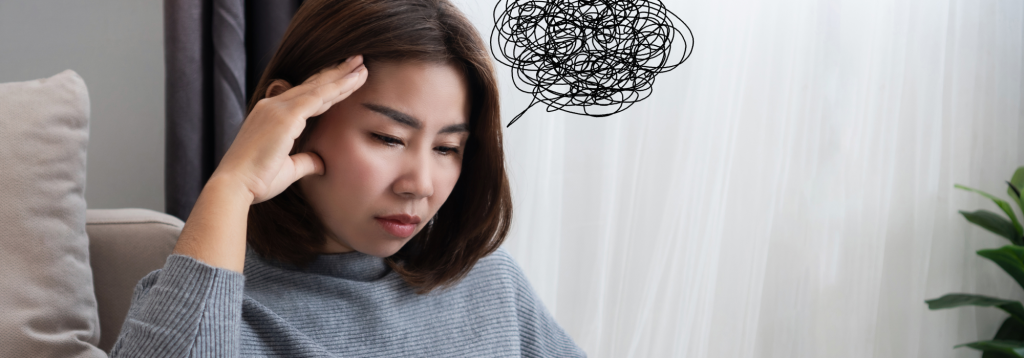
Stress doesn’t cause IBS, but it can worsen it. As your gut and brain are deeply connected we share ways to calm your gut-brain-axis and potentially your IBS symptoms, including brain-gut behavioural therapies, dietary strategies that alter gut signalling, and gut microbiome-targeted therapies, like faecal microbiota
transplantation and probiotics.
Sexual health and type 2 diabetes: How diabetes affects your sex life

Living with type 2 diabetes can affect many areas of your life, including sexual health. Learn how diabetes impacts libido, erectile dysfunction, fertility, and emotional wellbeing, with advice on managing these issues and when to seek support.
How to feel happier

We explore the positive emotion of happiness and suggest a few steps that could help you feel happier.
How long can you go without sleep?

Explore the world record for how long you can go without sleep, sleep guidelines, and learn why quality sleep is important to overall health.
How to get to sleep fast

Struggling to fall asleep quickly? Discover effective strategies on how to go to sleep faster. From establishing a calming bedtime routine to optimising your sleep environment, learn practical tips backed by science to reduce sleep latency and promote better sleep quality. Say goodbye to tossing and turning with actionable insights on how to get to sleep fast.
Unlocking the power of deep sleep: how much do you need?

Not all types of sleep are equal. Deep sleep, also known, as slow-wave sleep, plays a vital role in health and vitality.
The truth about what alcohol does to your body

What are the short- and long-term effects of alcohol? Find out how alcohol could be affecting your physical and mental health.
The most common British Sign Language (BSL) signs you can learn today

With British Sign Language (BSL) now recognised as an indigenous language of England, Scotland, and Wales, learning BSL can make the world more inclusive and accessible for deaf and mute people, reducing isolation, whilst improving the communication of hearing people. We share some common British Sign Language words for beginners to get you started.
How to reduce the stigma surrounding mental health

Whether it is our own perception or the reaction from those around us, stigma around mental health can take various forms. Here are some ways to reduce mental health stigma in schools, the workplace and in everyday life.