

If you have diabetes, it’s very important to have regular health checks. These checks help find any health problems early and keep you feeling well.
The NHS has a list of 9 key care processes that everyone with diabetes should have every year. These checks help you and your healthcare team manage your diabetes and stop serious problems from happening later.
Let’s look at each check, why it matters, and how diabetes can affect different parts of your body.
- Weight and Body Mass Index (BMI) Check
This check looks at your weight and height to see if you’re a healthy size. This is called your BMI.
- Why it matters: Being overweight makes it harder to control your blood sugar. This is because extra body fat, especially around your tummy, can stop insulin from working properly. That means your body finds it harder to lower your blood sugar.
- How it helps: Keeping your weight in a healthy range can improve your blood sugar levels, lower your blood pressure, and reduce your risk of heart problems.
- Where it’s done: Your GP, nurse or healthcare assistant at your local GP practice can do this check.
- Blood Pressure (BP) Check
High blood pressure often has no symptoms, but it can damage your heart, eyes, and kidneys over time.
- Why it matters: Diabetes can make your blood vessels less flexible and more likely to get narrow or blocked. High blood sugar can also damage the blood vessels. When this happens, your risk of heart attacks and strokes goes up.
- How it helps: Checking your blood pressure helps your healthcare team spot problems early and give you advice or treatment to keep your heart healthy.
- Where it’s done: Usually done at your GP practice by a nurse, healthcare assistant, or GP.
- HbA1c Test (Blood Sugar Level)
This is a blood test that shows your average blood sugar level over the last 2 to 3 months.
- Why it matters: If your blood sugar stays too high, it can damage many parts of your body. It increases your risk of heart disease, kidney problems, eye damage, nerve damage, and foot problems.
- How it helps: This test helps you and your doctor see if your diabetes is well controlled. If it’s too high, they can help you change your treatment or lifestyle to bring it down.
- Where it’s done: Blood is usually taken at your GP surgery or a local clinic and tested by the NHS lab.
- Eye Screening (Retinopathy Check)
This is a special eye test to look for damage to the back of your eyes (the retina).
- Why it matters: High blood sugar can damage the tiny blood vessels in your eyes. This is called diabetic retinopathy, and it can lead to blindness if not treated.
- How it helps: This test can find changes early before you notice any problems with your sight. Early treatment can stop the damage from getting worse.
- Where it’s done: At a local NHS diabetic eye screening service. You’ll get an invitation for this each year.
- Foot Check
Your feet are checked to look for nerve damage or poor blood flow.
- Why it matters: Diabetes can damage the nerves in your feet so you might not feel pain or injuries. It can also reduce blood flow, making it harder for cuts or sores to heal. This raises the risk of serious infections and even amputation.
- How it helps: A foot check can find problems early. Your healthcare team can teach you how to look after your feet and avoid serious complications.
- Where it’s done: Usually at your GP practice by a nurse, podiatrist or GP.
- Urine Test for Protein (Urinary Albumin)
This test checks for protein in your urine.
- Why it matters: Your kidneys filter waste from your blood. High blood sugar and high blood pressure can damage them. If protein is leaking into your urine, it can be an early sign of kidney damage.
- How it helps: Finding kidney problems early means you can get treatment to protect your kidneys.
- Where it’s done: You’ll be asked to provide a urine sample at your GP surgery or local clinic.
- Blood Test for Kidney Function (Creatinine Test)
This test checks how well your kidneys are working.
- Why it matters: Over time, diabetes can lead to kidney failure. High blood sugar and high blood pressure both make kidney damage worse.
- How it helps: Regular tests help your doctor spot early signs of kidney problems and take steps to protect your kidney health.
- Where it’s done: A blood sample is taken at your GP practice or local clinic and sent to a lab for testing.
- Cholesterol Check
This blood test measures fat levels in your blood, including cholesterol.
- Why it matters: Diabetes can change the way your body handles fats. This can raise your cholesterol, which can block your blood vessels and increase your risk of heart attacks and strokes.
- How it helps: If your cholesterol is high, your doctor may give you advice or medication to help lower it and protect your heart.
- Where it’s done: Done at your GP surgery or local clinic with a blood test.
- Smoking Status Check
Your healthcare team will ask if you smoke.
- Why it matters: Smoking damages your blood vessels, just like high blood sugar. When combined, they can cause more severe complications more quickly. If you have diabetes and you smoke, your risk of heart disease, stroke, and foot problems is much higher.
- How it helps: Quitting smoking helps your heart, lungs, and blood flow. NHS services can offer free stop smoking support, including medication and counselling.
- Where it’s done: This conversation happens during your annual diabetes review with your GP, nurse or healthcare assistant, however you can talk to your GP, nurse or local pharmacist for support to quit.
Our article here provides more support and resources on how to quit smoking.
Additional important health checks for people with diabetes
Flu and COVID-19 vaccinations
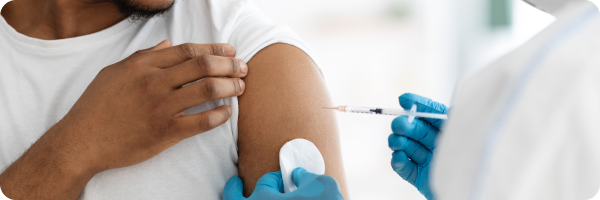
People with diabetes are more likely to get very ill from infections like flu and COVID-19. These illnesses can make it harder to manage your blood sugar and may lead to serious problems such as pneumonia or hospital stays.
- Why it matters: Infections put extra stress on your body. They can raise your blood sugar and increase your risk of complications like diabetic ketoacidosis or dehydration.
- How it helps: Getting the flu and COVID-19 vaccines every year helps protect you from getting seriously ill. These vaccines are free on the NHS if you have diabetes.
- Where it’s done: Available at your GP surgery or a local pharmacy.
Gum health and dental care
People with diabetes have a higher risk of gum disease and other dental problems.
- Why it matters: High blood sugar can weaken your body’s ability to fight infections, including those in your mouth. Gum disease can make it harder to control your blood sugar and may increase the risk of heart disease.
- How it helps: Brushing and flossing daily, attending regular dental check-ups, and seeing your dentist if your gums bleed or feel sore can help prevent problems.
- Where it’s done: See your NHS dentist regularly and let them know you have diabetes.
You can find more tips on looking after your oral health here.
Taking charge of your health

These 9 checks are simple but powerful. They help you and your healthcare team keep an eye on your body and catch any problems early. Diabetes can affect many parts of your body, but regular care and support can keep you feeling well.
What you can do:
- Go to your yearly diabetes review.
- Ask your GP or nurse about the 9 care processes.
- Write down your results and talk about them with your healthcare team.
- Ask for help if you don’t understand your results.
- Ask about flu and COVID-19 vaccinations.
- Get support to stop smoking if you need it.
- Visit your dentist regularly and take care of your mouth and gums.
You are the most important person in your diabetes care. By having these checks every year, you are taking big steps to stay healthy and live well with diabetes.
Stay on top of your health with Evergreen Life
Keeping track of all 9 diabetes health checks can feel like a lot – but the Evergreen Life app can make it easier. With the app, you can securely view your GP record, track test results, set medication reminders, and stay up to date with your care. By staying informed and involved in your health, you’re taking powerful steps towards living well with diabetes.
✅ If you haven’t already, download the free Evergreen Life app today to take control of your diabetes care – right from your phone.
- Diabetes UK. (2025). Complications of diabetes. Diabetes UK.
- Diabetes UK. (2025). Flu jab and diabetes. Diabetes UK.
- Diabetes UK. Help with giving up smoking. Diabetes UK.
- NHS Digital (2022). National Diabetes Audit, 2020-21, Type 1 Diabetes. NHS Digital Publications (online).
- NHS England. (2022). Diabetes high impact interventions. NHS England Publications (online).
- NHS Rightcare. (2018) NHS RightCare Pathway: Diabetes. Healthier You. NHS Diabetes Prevention Programme.
- NICE. (2023). Type 2 diabetes in adults: Quality standard, Quality statement 6 – 9 key care processes (QS209). NICE.