
Your guide to medications used to treat IBS
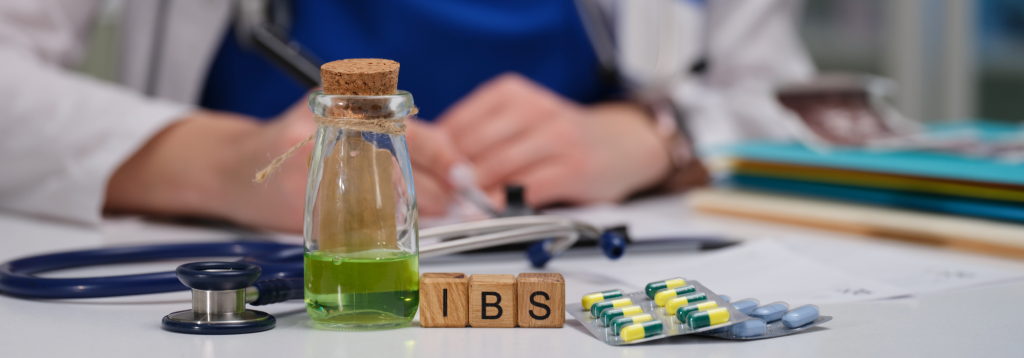
While medications don’t “cure” IBS, they can help manage symptoms and work best when used alongside diet, stress and lifestyle interventions. We break down the different types of medication for IBS, depending on subtype, and share tips on how to take them safely.
Is time-restricted eating safe for IBS? Evidence deep dive
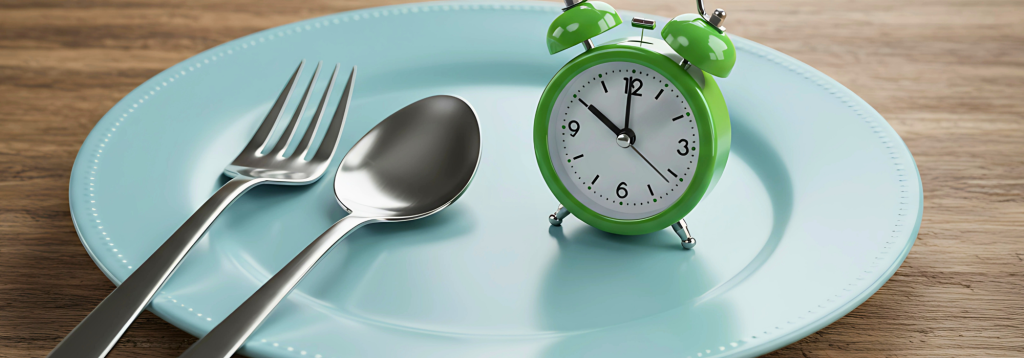
While there are possible benefits for time-restricted eating (TRE) for IBS, there are also potential pitfalls. We explore what to consider before trying time-restricted eating to manage your IBS.
IBS and smoking – Evidence deep dive into how the habit affects the condition

Did you know, every cigarette you don’t smoke is a gift to your gut? We explore the research around how smoking can impact your gut microbiome, worsen IBS symptoms, and what may happen to your IBS when you quit.
IBS and alcohol: When to consider cutting back

Alcohol doesn’t cause IBS, but studies suggest it can worsen symptoms in some people. We take a look at what the research says about why this might be, and when might be a good idea to cut back on alcohol if you have IBS.
Sleep and IBS: How to manage the vicious cycle and rest better

Poor sleep can worsen IBS symptoms and flare-ups can make sleep harder. Explore the evidence linking sleep and IBS and learn sleep hygiene tips for the condition to help break the cycle.
How gentle physical activity can ease IBS symptoms and support long-term gut health

Having IBS shouldn’t stop you from exercising, in fact, gentle physical activity may help ease symptoms. Here, we explore what the research says, guide you through a weekly exercise plan for IBS, and share how to tailor an IBS-friendly exercise routine to you.
The gut-brain connection and IBS: How to calm your gut-brain-axis

Stress doesn’t cause IBS, but it can worsen it. As your gut and brain are deeply connected we share ways to calm your gut-brain-axis and potentially your IBS symptoms, including brain-gut behavioural therapies, dietary strategies that alter gut signalling, and gut microbiome-targeted therapies, like faecal microbiota
transplantation and probiotics.
Step-by-step IBS diet guide: Optimising your diet for IBS
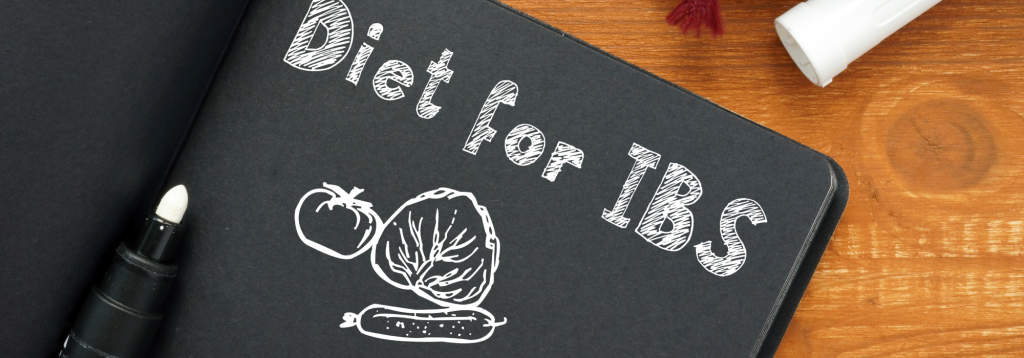
A low-FODMAP diet is often linked with IBS, but there are steps to take before trying that. Our step-by-step IBS guide walks you through them, with evidence-informed IBS dietary management recommendations and IBS diet mistakes to avoid. All to help you understand how to manage your IBS through diet and hopefully enjoy symptom relief.
Your IBS action plan: A step-by-step guide to understanding, tracking and regaining control

There’s no single fix for IBS and your triggers will be unique to you. Tracking what does and doesn’t for you, and making targeted adjustments one at a time, can help you spot patterns and create an IBS Action Plan that enables you to live well with the condition.
Getting the right diagnosis: Understanding how IBS is diagnosed

IBS shouldn’t be self-diagnosed but you can work with your doctor to help them make the right diagnosis faster. We cover what to expect during an IBS diagnosis, what IBS tests involve and what you should ask your doctor about your IBS diagnosis.