
Irritable Bowel Syndrome (IBS) can be unpredictable and frustrating. While there’s no “one-size-fits-all” cure, many people find relief through diet, lifestyle changes, and, in some cases, targeted supplements.
Below, we’ve summarised what high-quality research and NICE guidance say about popular over-the-counter options to help you make informed, safe choices.

Always check with your GP, pharmacist, or dietitian before starting any supplement, especially if you take medication, have another health condition, or are pregnant/breastfeeding.
Peppermint oil for IBS (enteric-coated)
How peppermint oil works for IBS
Peppermint oil helps IBS by relaxing the smooth muscle that lines the gut.
This muscle works automatically to move food, gas, and waste through the digestive system. In IBS, it can become overactive and crampy, squeezing too hard or too fast. That’s what leads to symptoms like:
- Cramping abdominal pain
- Bloating
- Urgent or unpredictable bowel movements
- Diarrhoea or constipation
By calming and relaxing this muscle, peppermint oil can:
- Reduce painful spasms
- Ease cramping
- Help the gut move more smoothly
- Settle feelings of urgency and discomfort
This gentle muscle-relaxing effect is why enteric-coated peppermint oil is often recommended as a natural remedy for IBS and easing symptoms.

Note: ‘enteric-coated’ means the supplement is prevented from being released in the stomach, but instead is released in the small intestine.
Does peppermint oil help IBS? Here’s what the evidence says:
- Multiple meta-analyses show peppermint oil may reduce IBS pain and improve overall symptoms compared with placebo for some people.
- A 2022 review of several clinical trials showed that people who took peppermint oil capsules were more likely to feel relief from their IBS symptoms than those who took a placebo (dummy pill). On average, about 1 in 4 people taking peppermint oil experienced noticeable symptom improvement.
- However, this review also found that some people may experience side effects, such as heartburn or indigestion, more often when taking peppermint oil. These side effects were mild in most cases but happened more frequently compared to those who had the placebo.
- The quality of the research was limited, so while peppermint oil can be helpful for some patients, more studies are needed to confirm how well it works and how safe it is in the long term.
- However, this review also found that some people may experience side effects, such as heartburn or indigestion, more often when taking peppermint oil. These side effects were mild in most cases but happened more frequently compared to those who had the placebo.
- NICE suggests that antispasmodic treatments, including peppermint oil, may be considered alongside lifestyle and dietary measures to help relieve IBS symptoms, particularly abdominal pain.
How to use peppermint capsules IBS relief
- Choose enteric-coated capsules (to prevent break down in your stomach)
- Take 1–2 capsules up to three times daily, ideally before meals
- Best for short-term use (up to 8 weeks)
Safety tips when taking peppermint oil for IBS
– Can cause heartburn or nausea if the coating dissolves too early
– Avoid if you have regular or recurrent issues with acid reflux, or GERD/GORD or hiatus hernia
– Stop if symptoms worsen
Probiotics for IBS

How do probiotics work?
Probiotics are gut microbes that make up your gut microbiome and can help restore balance and support a healthy mix of gut bacteria – especially when IBS symptoms appear after an infection, antibiotics, or anything else that disrupts the gut microbiome. They can also be found in products that contain live microorganisms, typically types of bacteria that are believed to benefit gut health.
Gut diversity refers to how many different types of bacteria and other microorganisms live in your gut. In general, a more diverse microbiome is linked with better digestion, stronger immunity, and steadier overall health, because a wide range of microbes can carry out more helpful jobs in the body.
Microbiome resilience describes how well your gut bacteria cope when something upsets them, such as illness, stress, antibiotics, or sudden changes in your diet. A resilient microbiome can bounce back to its normal, healthy balance quickly, helping keep your digestion and gut health on track.
Do probiotics help IBS? Here’s the evidence for probiotics in IBS treatment:
Evidence for probiotics in irritable bowel syndrome (IBS) is mixed but cautiously promising, with some strains showing promise compared to placebos in reducing global IBS symptoms, abdominal pain, and abdominal bloating or distension. (Global symptoms are those that affect the whole body or multiple bodily systems). However, the certainty of evidence is generally low to moderate, meaning that, while early results are encouraging, future research may change current conclusions.
It seems that the type of bacteria (or strain) matters; what works for one probiotic, one IBS subtype or one individual may not work for another. Not all probiotics are beneficial, and generalising across products can be misleading. More rigorous, large-scale trials are needed to clarify which strains work best, for whom, and in what doses.
- Some Escherichia strains may help with overall IBS symptoms. The evidence is moderate quality (meaning it’s more reliable than most of the others, but still not strong).
- Lactobacillus strains – especially Lactobacillus plantarum 299V – might help some people, though the evidence is low quality (so we’re not very confident in the results).
- Some combination probiotics (products that contain several different strains) and certain Bacillus strains may also help, but the evidence is very low quality (meaning the studies are small or uncertain).
For abdominal pain:
- Saccharomyces cerevisiae I-3856 and some Bifidobacterium strains may help, but again, the evidence is low quality.
- Other combination probiotics, and some Lactobacillus, Saccharomyces, and Bacillus strains, have shown possible benefit, but the evidence is very low quality.
For bloating and tummy distension:
- Some improvement was seen with combination probiotics or Bacillus strains, but this is supported by very low-quality evidence.
NICE advises that adults with IBS who choose to try probiotics should take one product at the manufacturer-recommended dose for at least 4 weeks, while monitoring their symptoms, and should stop if no improvement is seen. NICE doesn’t recommend any specific strain or species because evidence is mixed and variable in quality.
Overall it seems some probiotic strains may help IBS symptoms for some people, but the science isn’t strong. If someone wants to try probiotics, it’s reasonable to try them for up to 12 weeks to see if symptoms improve. It’s important to know that the evidence behind probiotics for IBS is still limited, and we need larger, better-designed studies.
How to take probiotics for IBS
- Choose a reputable brand with full strain details (e.g., Bifidobacterium longum 35624)
- Try it for 4-12 weeks, noting any symptom changes
- If you experience no improvement, stop or try a different formulation
- Avoid taking multiple probiotic products together, so you can figure out what’s working for you
Safety tips when taking probiotics for IBS
– Generally safe for most people
– Avoid if severely immunocompromised (you have an impaired immune system)
– Mild bloating or stool changes can occur initially
Probiotics work best when combined with a gut-friendly lifestyle, including a high-fibre, plant-rich diet, regular exercise, and limiting alcohol and ultra-processed foods.
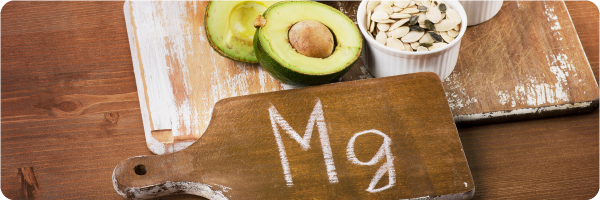
Magnesium for IBS (especially for IBS-C)
How magnesium for IBS works:
Magnesium draws water into the bowel, softening stools and helping relieve constipation.
Some forms (like magnesium glycinate) may also help with sleep and stress management.
Magnesium isn’t currently recommended in official IBS guidelines such as those from NICE, but some people with IBS-C (constipation-predominant IBS) report benefits from magnesium due to its mild laxative effect and stress-supportive properties.
Does magnesium help IBS symptoms? Here’s what the evidence says:
- Magnesium in certain forms, such as magnesium oxide or magnesium sulfate, may help improve stool consistency and ease constipation in people with constipation-predominant IBS (IBS-C). The effect is generally attributed to its osmotic properties, which draw water into the intestines and soften stools, leading to a gentle laxative action.
- No large randomised controlled trials have been done yet, but smaller studies support its role as a supplementary option for IBS-C management.
How magnesium for IBS may be used (with medical guidance):
- Start low: Begin with 200mg of elemental magnesium per day, ideally as:
- Magnesium citrate – often chosen for its mild laxative effect
- Magnesium glycinate – gentler on the stomach and may help with stress
- Magnesium citrate – often chosen for its mild laxative effect
- Build up gradually until you get the effect you need to a maximum of 400 mg/day, based on tolerance
👀 Watch for side-effects, such as loose stools or cramping. If this occurs, reduce the dose.
- Read the label carefully:
- Check for the amount of elemental magnesium (not just the total compound weight). For example, magnesium citrate 1000mg may only provide 150–200mg of elemental magnesium.
General tips for taking magnesium for IBS
- Take in the evening if also taking to support sleep
- Stay well hydrated to support gut function and minimise cramping
Safety tips when taking magnesium for IBS
– Avoid magnesium supplements if you have kidney disease, impaired renal function, or take medications that affect electrolyte balance.
– Always consult your GP or pharmacist before starting magnesium, especially for long-term use.
– Consider periodic blood and kidney function tests, if using regularly.
Other supplements for IBS to consider
| Supplement | What it does | Evidence summary |
|---|---|---|
| Psyllium (soluble fibre) | Psyllium can add bulk and soften stools | Both dietary guidance from NICE, The British Dietetic Association (BDA) and controlled trials emphasise the role of soluble fibre (e.g., psyllium) in IBS symptom management and show psyllium improves global IBS symptoms, especially in IBS-C. Insoluble fibre (like bran) can worsen bloating. |
| Digestive enzymes | Digestive enzymes can help some people digest fats, carbohydrates, or proteins more efficiently and may reduce post-meal bloating. | A European consensus review (2025) found small studies showing potential benefits for functional bloating and IBS, but overall evidence remains low quality and inconsistent. They aren’t currently recommended as routine IBS treatment, though they may be worth a short trial in people with significant post-meal fullness or suspected food intolerance. |
| Activated charcoal | Activated charcoal binds intestinal gas and may modestly reduce bloating. | A multicentre RCT (Randomised Control Trial) found small improvements in discomfort vs placebo, but systematic reviews highlight that overall evidence is weak and outdated, with no consistent benefit on global IBS outcomes. |
| L-glutamine | L-glutamine is the primary fuel source for intestinal cells and helps strengthen the gut barrier. | L-glutamine may help strengthen the gut lining and ease diarrhoea in some people with IBS-D (diarrhoea-predominant IBS), especially after an infection. One study showed it improved stool consistency, while a 2024 review found it can reduce “leaky gut,” though research on IBS is still early and more large, well-controlled studies are needed before L-glutamine can be recommended routinely. |
| Aloe vera / Slippery elm / Herbal blends | Aloe vera / slippery elm / herbal blends are thought to help soothe the gut lining and reduce irritation. | A few small studies suggest these remedies may ease bloating or discomfort for some people with IBS, but the evidence is limited and inconsistent. Because herbal products aren’t tightly regulated, their quality and strength can vary between brands, and some may contain extra ingredients that could irritate the gut. |
Important safety notes when considering supplements for IBS
– Supplements vary in quality. Choose reputable brands with clear ingredient lists and third-party testing where possible.
– Always check interactions with prescription medicines and check with your pharmacist, GP and/or dietician before starting something new, especially if you have other chronic health conditions.
– Try one thing at a time and keep a symptom diary to track your response.
– Stop any supplement that worsens your symptoms, causes side-effects, or offers no benefit after a reasonable trial (usually 4–8 weeks).
– If you have unintentional weight loss, blood in your stool, persistent pain, or night-time symptoms, ask your doctor for an urgent medical review because these are not typical of IBS.
⚠️ When to ask for further help
If you’ve tried diet and supplements without success, ask your GP about:
– Other medical treatments that may support your symptom control
– Referral to a dietitian for FODMAP guidance
– Gut-directed hypnotherapy or CBT (proven to help IBS symptom relief)
– Review of other causes (e.g., coeliac disease, bile acid diarrhoea)
Summary: the best supplements for IBS relief
| Supplement | Evidence strength | Best for | Notes |
|---|---|---|---|
| Peppermint oil (enteric-coated) | ⭐⭐⭐ | Pain, cramping, bloating | Sometimes associated with increase in reflux symptoms. Included in NICE guidelines. |
| Probiotics (specific strains) | ⭐⭐⭐ | Bloating, stool irregularity | Strain dependent. Promising early results of research but deeper studies needed. |
| Psyllium (soluble fibre) | ⭐⭐⭐⭐ | Constipation, stool regulation | Recommended by NICE. Well-tolerated and effective. |
| Magnesium | ⭐⭐ | IBS-C | Mild laxative effect; not in guidelines; use with medical oversight. |
| L-glutamine, activated charcoal, digestive enzymes, aloe vera, herbal blends | ⭐ | Variable or limited benefit | Mixed or limited evidence; not currently guideline-supported. |
Key takeaway: Do supplements really help IBS?
Most people with IBS get the greatest benefit by starting with dietary and lifestyle strategies, then adding options like peppermint oil, certain probiotics, or psyllium, which are generally safe and well supported by evidence.
Other supplements may help some individuals, but the research is more limited, so it’s worth taking a curious, structured approach, trying one change at a time, and noticing what genuinely works for your body.
You don’t have to navigate it alone: getting professional guidance can help you stay safe, avoid unnecessary treatments, and feel more confident and supported as you learn what helps your symptoms most.
This article is for general information and education only. It does not provide individual medical advice, diagnosis, or treatment recommendations.
If you have IBS or any digestive symptoms, please speak to your GP, pharmacist, or specialist before making any changes to prescribed medication, supplements, or treatment plans.
Supplement effects can vary significantly between individuals based on existing health conditions, medications, allergies, and nutrient interactions. Some supplements mentioned may also play a critical role in managing other medical issues.
❗ Always consult your doctor, pharmacist, or a qualified healthcare professional before starting, stopping, or adjusting any supplement or prescribed treatment. Never discontinue prescribed medications without medical advice.
⚠️ Seek medical review urgently if you experience:
– Severe or persistent abdominal pain, vomiting, or blood in your stool
– Unexplained weight loss, fever, or fatigue
– Black, tarry, or maroon-coloured stools
– New bowel habit changes lasting longer than 6 weeks
– Severe constipation or diarrhoea that does not respond to simple measures
– Symptoms after starting a new medication that are sudden or worsening
📞 If you have chest pain, shortness of breath, fainting, or severe dehydration, call 999 or go to A&E immediately.
Note: All information in this article is drawn from peer-reviewed research, reputable clinical guidelines (e.g., NICE, BDA, BSG, NHS), and systematic reviews available at the time of publication.
While care has been taken to ensure accuracy, new evidence may emerge over time; readers are encouraged to verify details with a qualified healthcare professional before acting on this information.
- Abbasi F, Lari MMH, Khosravi GR, et al. A systematic review and meta-analysis of clinical trials on the effects of glutamine supplementation on gut permeability in adults. Amino Acids. 2024 Oct; 56(6). doi: 10.1007/s00726-024-03420-7.
- Black CJ, Ford AC. An evidence-based update on the diagnosis and management of irritable bowel syndrome. Expert Rev Gastroenterol Hepatol. 2025 Jan 21: 1-16. doi: 10.1080/17474124.2025.2455586.
- BMJ. Soluble or insoluble fibre in irritable bowel syndrome in primary care? Randomised placebo controlled trial. BMJ. 2009; 339: b3154. doi: 10.1136/bmj.b3154.
- British Dietetic Association. (n.d.) Irritable Bowel Syndrome (IBS) and Diet.
- Choi Y, Youn YH, Kang SJ, et al. 2025 Seoul Consensus on Clinical Practice Guidelines for Irritable Bowel Syndrome. J Neurogastroenterol Motil. 2025 Apr 30; 31(2): 133-169. doi: 10.5056/jnm25007.
- Davis K, Philpott S, Kumar D, et al. Randomised double-blind placebo-controlled trial of aloe vera for irritable bowel syndrome. The International Journal of Clinical Practice. 2006 Aug 10. doi: 10.1111/j.1742-1241.2006.00980.x.
- Guts UK. (2025) Irritable Bowel Syndrome.
- Hübner WD and Moser EH. Charcoal tablets in the treatment of patients with irritable bowel syndrome. Adv Ther. 2002 Sep-Oct;19(5): 245-52. doi: 10.1007/BF02850364.
- Hutchings HA, Wareham K, Baxter JN, et al. A Randomised, Cross-Over, Placebo-Controlled Study of Aloe vera in Patients with Irritable Bowel Syndrome: Effects on Patient Quality of Life. ISRN Gastroenterol. 2010 Oct 11; 2011: 206103. doi: 10.5402/2011/206103.
- Ingrosso MR, Ianiro G, Nee J, et al. Systematic review and meta-analysis: efficacy of peppermint oil in irritable bowel syndrome. Aliment Pharmacol Ther. 2022 Sep;56(6):932-941. doi: 10.1111/apt.17179.
- Khanna R, MacDonald JK, Levesque BG. Peppermint oil for the treatment of irritable bowel syndrome: a systematic review and meta-analysis. J Clin Gastroenterol. 2014 Jul; 48(6): 505-12. doi: 10.1097/MCG.0b013e3182a88357.
- Melchior C, Hammer H, Bor S, et al. European Consensus on Functional Bloating and Abdominal Distension—An ESNM/UEG Recommendations for Clinical Management. The United European Gastroenterology. 2025 Nov; 13(9): 1613-1651. doi: 10.1002/ueg2.70098.
- NICE (2008, updated 2017) Irritable bowel syndrome in adults: diagnosis and management.
- Sayuk GS, Waldman SA, Brenner DM. Mechanisms of Action of Current Pharmacologic Options for the Treatment of Chronic Idiopathic Constipation and Irritable Bowel Syndrome With Constipation. The American Journal of Gastroenterology. 2022 Apr; 117(4S): S6-S13. doi: 10.14309/ajg.0000000000001687.
- Serra J. Management of bloating. Neuroogastroenterology & Motility. 2022 Mar; 34(3): e14333. doi: 10.1111/nmo.14333.
- Ried K, Travica N, Dorairaj R, Sali A. Herbal formula improves upper and lower gastrointestinal symptoms and gut health in Australian adults with digestive disorders. Nutr Res. 2020 Apr;76:37-51. doi: 10.1016/j.nutres.2020.02.008.
- Zeraattalab-Motlagh S, Ranjbar M, Mohammadi H, et al. Nutritional Interventions in Adult Patients With Irritable Bowel Syndrome: An Umbrella Review of Systematic Reviews and Meta-analyses of Randomized Clinical Trials. Nutr Rev. 2025 Mar 1; 83(3): e1343-e1354. doi: 10.1093/nutrit/nuae107.
- Zhou Q, Verne ML, Fields JZ, et al. A Randomized Placebo-Controlled Trial of Dietary Glutamine Supplements for Post-Infectious Irritable Bowel Syndrome. Gut. 2018 Aug 14; 68(6): 996-1002 doi: 10.1136/gutjnl-2017-315136.