For nights spent over indulging, there comes a time when alarm bells begin to sound: ‘I need to sober up, and fast’. Whether you’ve been drinking too much, too quickly, or want to avoid battling a hangover the following day, what are the best methods for sobering up?
What happens when you drink alcohol?
So, what actually causes that drunk feeling? When you drink alcohol, your body doesn’t digest it. Instead, the alcohol passes quickly into your bloodstream, travelling to every part of your body. First the brain is affected, then the kidneys, and then the lungs and liver. The liver, on average, takes an hour to break down one unit of alcohol, so if you’re drinking alcohol faster than your liver can break it down, this will cause your blood alcohol to rise. When this happens, you start to feel drunk.
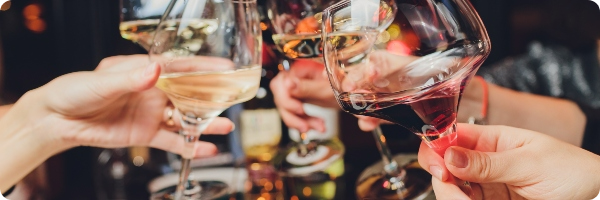
Why do we get hungover?
- Dehydration and more trips to the bathroom: Alcohol is a diuretic, which means it promotes water loss through peeing. Drinking can cause us to go to the bathroom more frequently, so our bodies lose water faster than we can replenish, leading to dehydration.
- Gastrointestinal irritation: Drinking too much alcohol can lead to acute gastritis, causing painful inflammation of the stomach lining which can lead to cramping, irritability and vomiting.
- Low blood sugar: Alcohol consumption causes an increase in insulin secretion, which leads to low blood sugar. This explains the fatigue and light-headedness that follow consuming alcohol.
- Widening of blood vessels: When alcohol enters your bloodstream, it causes your blood vessels to widen, which can lead to:
- Blushing – also known as alcohol flush – due to a great flow of blood to the surface of your skin
- Temporarily feeling warm
- Drop in blood pressure
- Heat loss and a drop in body temperature
- Poor quality sleep: Although people may fall asleep faster after drinking alcohol, it can actually disrupt your sleep and cause you to wake up earlier, leaving you feeling tired.
Can you sober up quickly?
Unfortunately, the short answer to this is no. Regardless of the remedies you’ve come across online that assure you that this is possible, a health professional would tell you otherwise. However, there are various things you can do to prevent you from getting too drunk.
How to stop yourself getting too drunk
Before drinking, try to have a balanced meal of complex carbs, protein and fats to help line your stomach, alongside snacking between drinks, which will prevent alcohol from being absorbed too quickly. Combine this with a glass of water between each alcoholic drink to keep your hydration levels up. Remember to eat, and drink water, throughout the night, too.
Know your limits before you start. Having a number in mind, and sticking to it, will help you pace yourself. Just remember that everyone’s tolerance is different, so choose a number that works for you, not your mates. Once you know your number, space them out – such as leaving an hour between each drink – to prevent too much alcohol entering your system at once.
How to sober up the morning after
Suffering from a hangover when you’ve got somewhere to be? Don’t worry, the feeling won’t last forever – luckily, hangovers usually resolve themselves within 24 hours. To help make the day a little more bearable, here are some tips that you can follow to help you sober up the morning after:
- Get some more sleep
- Drink water to rehydrate your body
- Place an ice pack or cold cloth on your head to help soothe a headache
- Keep your blinds closed or wear sunglasses if you’re struggling with increased light sensitivity
- Balance your blood sugar by eating healthy fats and protein
- Avoid consuming more alcohol

How to sober up before going to sleep
Alcohol can impact the quality of your sleep as it’s a sedative, but consuming excessive amounts can lead to an imbalance between slow-wave sleep and REM sleep. This contributes to feeling hungover the following morning – luckily, there are some ways you can help reduce the effects:
- Drink a large glass of water before bed to help rehydrate your body
- Avoid taking sleeping pills or other depressants
- If you need to wake up early the next day, make sure to set an alarm
- Keep a bucket next to your bed in case you need to be sick
Warning signs to look out for
If you, or the person you’re with, are displaying any of the following symptoms after consuming alcohol, this could be a sign of alcohol poisoning:
- Confusion
- Vomiting
- Irregular breathing (a gap of more than 10 seconds between breaths) or slow breathing
- Pale or blue-tinged skin caused by low body temperature (hypothermia)
- Being conscious but unresponsive
- Passing out and unable to wake up
If you suspect that someone you’re with might have alcohol poisoning, it’s important that you contact the emergency services as soon as possible. The effects of alcohol poisoning can be irreversible, if not fatal.
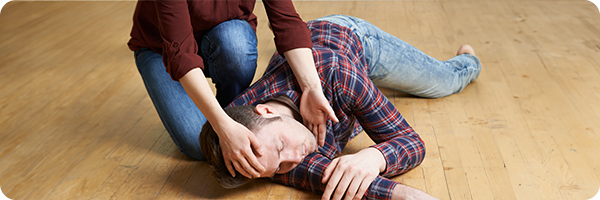
It’s also important to note that alcohol affects the nerves responsible for the gag reflex, so someone could vomit in their sleep and choke after consuming alcohol. If you notice this happening, help the individual lean forwards to prevent choking. If they’re unconscious or lying down, roll them onto one side with one ear toward the ground to help keep their airways clear.
Myths about drinking alcohol
Relying on the internet to provide you with a magical hangover cure isn’t the wisest decision. Unfortunately, there are plenty of myths out there regarding ‘how to sober up quickly’, which aren’t scientifically proven. Not to mention, creating the false ideology that there’s a way to sober up quickly can be incredibly dangerous. For example, it’s never safe to sober up fast for driving as your blood alcohol content (BAC) will stay high until your liver is able to process the alcohol. This could cause you to get into a car accident, which puts you and others in danger.
Here are some common myths about sobering up that you should steer clear of:
- Drinking coffee or caffeine energy drinks sobers you up: Caffeine has no effect on the metabolism of alcohol by the liver, and doesn’t reduce its concentration in your breath or blood, and doesn’t reduce its impact on your impairment.
- Having a cold shower sobers you up: Although a cold shower can help you to feel more awake, it won’t reverse the effects of excessive alcohol consumption. Not only this, a cold shower can shock the body and cause people to lose consciousness, and could lead to hypothermia, as alcohol can lower your body temperature.
- Making yourself sick sobers you up: This is false. Unless you throw up immediately after taking a sip of alcohol, it won’t reduce your blood alcohol level.
Take away
Ultimately, the best way to avoid the effects of excessive drinking is to not drink too much in the first place. By keeping track of what you’re drinking, how much you’re drinking, and how fast you’re drinking, you can still have fun without suffering a hangover in the morning. And don’t forget, you can still have fun without drinking any alcohol at all!

Looking for ways to be healthier all-round? Download the Evergreen Life app today, and get started straight away on your wellness journey.
Reviewed by:
Anna Keeble – Head of Content
- American Addiction Centers (2022) Alcoholic Gastritis Causes, Symptoms & Treatment. American Addiction Centers.
- Centers for Disease Control and Prevention (2022) Alcohol and caffeine. Centers for Disease Control and Prevention.
- College Drinking Prevention (2022) Understanding the dangers of alcohol overdose. College Drinking Prevention.
- DrinkAware (2022) Alcohol and sugar. DrinkAware.
- DrinkAware (2022) Alcohol poisoning. DrinkAware.
- DrinkAware (2021) The science of why alcohol makes us pee more. DrinkAware.
- Mayo Clinic (2017) Hangovers. Mayo Clinic.
- National Institute on Alcohol Abuse and Alcoholism (2021) Hangovers. National Institute on Alcohol Abuse and Alcoholism.
- NHS UK (2019) Alcohol poisoning. NHS UK.
- NIDirect (2022) What happens when you drink alcohol? NIDirect.
- Park SY, Oh MK, Lee BS, Kim HG, Lee WJ, Lee JH, Lim JT, Kim JY. The Effects of Alcohol on Quality of Sleep. Korean J Fam Med. 2015 Nov;36(6):294-9. doi: 10.4082/kjfm.2015.36.6.294. Epub 2015 Nov 20. PMID: 26634095; PMCID: PMC4666864.