

IBS can often feel unpredictable. Some days your gut feels calm and steady, and other days symptoms seem to flare-up out of nowhere.
Learning to recognise a flare-up early and knowing how to respond can make these episodes shorter, gentler, and far less stressful. Read on to find out how to manage IBS flare-ups.
What is an IBS flare-up?
An IBS flare-up is a period where your usual symptoms suddenly worsen or new discomfort appears.
Common signs include:
- Sudden abdominal pain or cramping
- Bloating or visible swelling
- Diarrhoea, constipation, or erratic bowel movements
- Urgency or incomplete emptying
- Nausea, fatigue, or brain fog
How long do IBS flare-ups last?
Flare-ups can last from a few hours to several days.
What triggers IBS flare-ups?
It varies from person-to-person but they often follow triggers such as:
🍽️ Changes in food, caffeine, or alcohol
😟Stress or poor sleep
🩸 Hormonal shifts (e.g. around menstruation)
✈️ Travel or disrupted routines
💊 Gut infections or antibiotic use

Sometimes, somewhat frustratingly, there can be no clear reason at all for your flare-up. However, keeping a short symptom diary helps you recognise your own “flare fingerprint” – what it looks like, what triggered it, and what helps it settle.
How to know if you’re experiencing and IBS flare-up
You may be entering a flare-up if you notice:
- A sudden change in bowel pattern (looser, harder, or more urgent than usual)
- More bloating or discomfort after meals
- Cramping pain that eases after opening your bowels
- Increased fatigue, irritability, or “foggy” concentration
- Triggers like stress, travel, or certain foods just before symptoms began
A flare-up feels like your IBS “volume” has been turned up, but the pattern usually feels familiar to you.
If symptoms seem different or stronger than usual, pause and check whether this could be something more than IBS (please see the disclaimer in the yellow box below).
A step-by-step guide for IBS flare-ups to help you cope when symptoms suddenly worsen
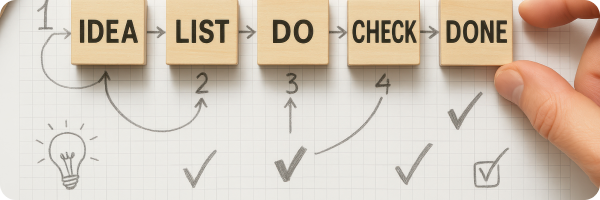
An IBS Flare-up Management Plan can be a logical extension of your IBS Action Plan.
Step 1: Pause and assess
Take a few minutes to check what’s going on.
Ask yourself:
- When did the symptoms start?
- What might have triggered them (food, stress, medication, travel)?
- Do they match your usual IBS flare-up pattern?
What to do during an IBS attack: when to seek medical help

👉 Be aware that not every gut-related symptom is caused by IBS. Some signs need prompt medical attention.
📞 Contact your GP or NHS 111 urgently if you notice any of the following red flag symptoms:
– Blood in your stool or stools that appear dark red or black
– Ongoing fever, vomiting, or signs of dehydration (feeling faint, dizzy, very thirsty, or not passing urine),
– Abdominal pain waking you at night
– Unexplained weight loss or a clear change in your usual IBS pattern
– Severe, worsening, or unfamiliar pain that doesn’t settle
– Diarrhoea or constipation lasting longer than 48 hours, despite self-care
These symptoms are not typical of IBS and should always be checked by a healthcare professional.
🚑 Call 999 or go to A&E immediately if you:
– Have sudden, severe, or escalating abdominal pain that doesn’t improve
– Are vomiting blood or material that looks like coffee grounds
– Pass black, tarry stools or a large amount of fresh blood
– Feel faint, weak, confused, or unable to stay awake
– Show signs of severe dehydration (no urine for 8+ hours, very dry mouth, or collapse)
If in doubt, it’s always safest to err on the side of caution and get checked.
Step 2: Gentle supportive care
Try some practical comforting measures while your gut settles.
| Symptom | Try this: |
|---|---|
| Cramping or pain | Apply a warm pack or take a warm bath. Try gentle abdominal massage or yoga poses like knees-to-chest. |
| Bloating | Sip warm peppermint or fennel tea. Avoid fizzy drinks and large meals. Try a slow walk or lie on your left side. |
| Diarrhoea | Keep hydrated with water, herbal tea, or oral rehydration salts. Rest. Eat small, plain meals. Stick to bland, low-FODMAP foods. |
| Constipation | Increase warm fluids. Try ground linseed or soaked prunes, if tolerated. Gentle movement and fibre adjustments may help. |
| Nausea | Sip ginger tea, breathe fresh air, rest with your head elevated. |
Medication note: Only use anti-diarrhoeal, anti-spasmodic, or laxative medicines as previously advised by your GP or pharmacist, and never start new medication without checking first.
Step 3: Reset your gut–brain connection
During a flare-up, your gut–brain axis (the nerve pathway linking digestion and emotions) can become overactive. Calming your nervous system helps your gut follow suit.
Try one or more of these 5–10 minute resets for relaxation during IBS flare-ups:
👃 Slow breathing that engages your diaphragm (e.g., box breathing or 4–7–8 pattern)
💪 Progressive muscle relaxation (tense and release each muscle group)
🎵 Listening to soothing music, nature sounds, or a gentle walk
🧘♀️A short mindfulness practice (e.g., Headspace, Insight Timer, or NHS Mind Plan)
💚 Saying self-reassurance phrases: “This will pass. My gut can calm.”
Regular practice can make future flares-ups seem shorter and less intense.
Step 4: Eat and drink gently
Give your digestive system time to reset.
For 24–48 hours:
- Eat small, regular meals, avoid skipping or overeating
- Choose easy-to-digest, low-fat, and low-FODMAP foods
- Drink fluids regularly (water, broth, herbal tea)
- Steer clear of foods to avoid during an IBS flare-up, which include, caffeine, alcohol, fizzy drinks, and rich or ultra-processed foods
Foods to eat during an IBS flare-up
You could try the following flare-up-friendly food ideas:
🥣 Porridge or oats
🥕 Cooked carrots, courgette, potato
🍚 Plain rice, quinoa, or white sourdough toast
🥚 Eggs, fish, or plain chicken
🍌 Banana or stewed apple
Reintroduce your usual foods slowly once symptoms improve.
Step 5: Log the flare-up
After things start to settle, record key details:
- When it started and ended
- What you ate or drank beforehand
- Possible triggers (stress, illness, hormones, sleep)
- What helped or worsened it
- How long recovery took
This information is incredibly useful to spot trends and create a more personalised IBS Flare-up Management Plan.
Step 6: Review and rebuild
Once symptoms ease, don’t rush straight back to your full diet or workload.
Take a day or two to:
🍴Return gradually to your normal meals and portion sizes
🔁 Reinstate your usual IBS Action Plan routines (hydration, movement, stress care)
🤔 Reflect on what you’ve learned: which strategies helped? What might you change next time?
👩⚕️ Consider sharing your flare log with your GP, dietitian, or coach as they can help refine your longer-term plan
How to prevent IBS flare-ups in the long term
You can’t always prevent flare-ups, but you can reduce their frequency and impact by:
- Eating regular meals and chewing slowly
- Keeping hydrated and limiting alcohol and caffeine
- Building a stress-management routine (breathing, journalling, exercise)
- Prioritising good sleep and consistent bedtimes
- Avoiding restrictive diets without professional guidance
- Keeping your gut microbiome supported with fibre, fermented foods, or probiotics, if tolerated
Remember: progress comes from learning your gut’s patterns, not from perfection.
When to seek medical advice
Contact your GP or NHS 111 if:
- Your symptoms are significantly worse or different from usual
- You experience rectal bleeding, fever, or ongoing vomiting
- Diarrhoea or constipation lasts longer than 48 hours, despite self-care
- You feel faint, weak, or unable to stay hydrated
- You have unexplained weight loss, new pain, or a lump in your abdomen
Call 999 or go to A&E if you develop severe abdominal pain, vomiting blood, or signs of dehydration or collapse.
📚 Useful links and resources
- NHS: Irritable Bowel Syndrome (IBS)
- NICE: Irritable Bowel Syndrome in Adults – Diagnosis and Management
- Guts UK charity
- NHS Mind Plan – Stress and Anxiety Support
- British Dietetic Association: Find a Dietitian
This information is designed for education and self-management support only. It is not a medical device and does not replace professional medical assessment or advice.
It should not be used to make, delay, or change treatment decisions.
If your symptoms are severe, persistent, or different from your usual IBS pattern, please contact your GP or NHS 111.
If you experience any of the red flag symptoms listed above, or if you feel very unwell, seek urgent medical help.
Intended use: This resource supports adults living with IBS who wish to manage symptom flare-ups safely, identify triggers, and work collaboratively with healthcare professionals. It promotes self-awareness and positive lifestyle habits but does not provide diagnostic or therapeutic direction.
- headspace (2025) all with headspace.
- InsightTimer (2025) How can we help?
- NHS (2025) Improve your mental health with our Mind Plan.